Much of the Gulf of Papagayo is sheltered, so the beaches around Coco are often calmer than the open Pacific. That makes this a good corner of Costa Rica to swim and snorkel. Here is where to go, and when.
Calm water for swimming
Playa Hermosa. About fifteen minutes north of Coco. A long curved beach where the water is usually calm and clear. A favorite with families.
Playa Panamá. A little further north, inside Culebra Bay. The bay is sheltered, so the water is shallow and gentle, almost like a lake on many days. Good for kids, kayaks and paddleboards.
Playas del Coco. The town beach is a long stretch of dark sand, best for walking, watching the boats and the sunset.
Snorkel spots
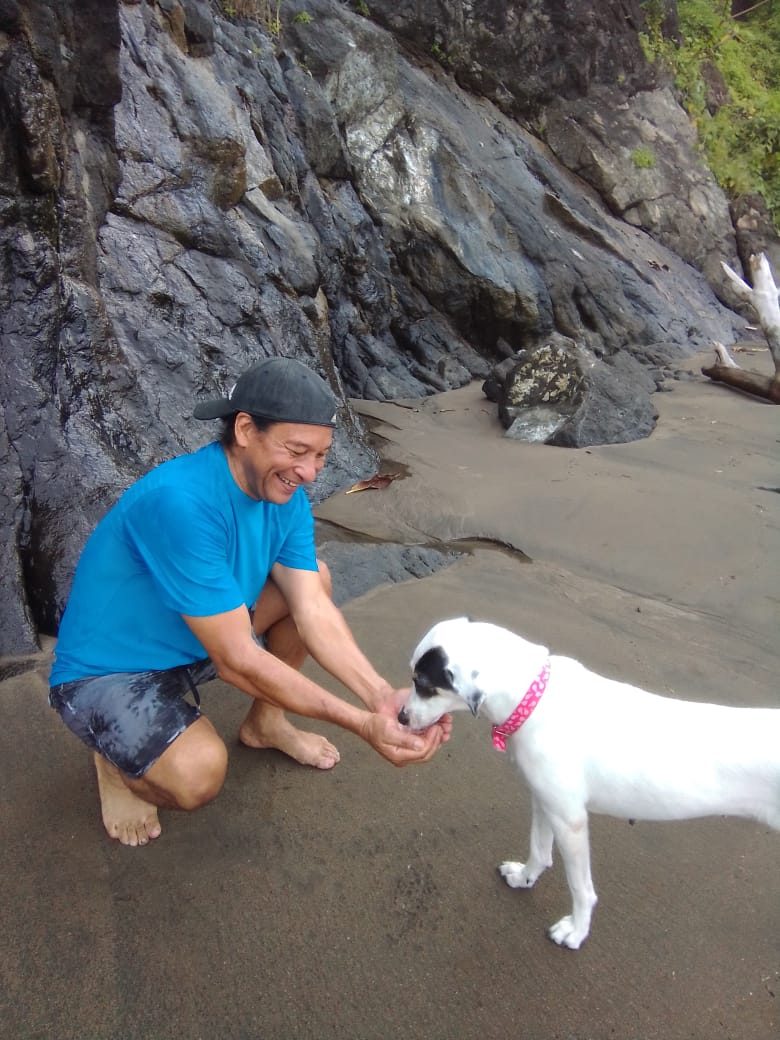
Playa Ocotal. A small dark sand beach about three kilometers south of Coco, with rocks at both ends. The south end is the usual place to start: swim out to where the rocks begin. Look for butterflyfish, angelfish, puffers and other reef fish.
By boat. Snorkel trips leave from the beach in Coco and visit spots around the gulf that are hard to reach on foot. Ask about that day's conditions before you book.
Further out: Catalina Islands and Bat Islands
These two are mainly for scuba divers, and you reach them by boat.
Catalina Islands. A chain of volcanic rocks offshore, usually under an hour by boat from Coco. They are known for manta rays, seen most often from about November to April.
Bat Islands (Islas Murciélago). Off the tip of Santa Rosa National Park, in the far north of Guanacaste. They are known for bull sharks, with the season running roughly from late May to October. These are deep dives in moving water, for experienced, certified divers only.
Where to rent gear
Dive and snorkel shops in Coco rent masks, snorkels and fins, and boat trips usually provide gear. Ask when you book. If you plan to snorkel often, a mask that fits your face well is worth bringing from home.
The best time of day
Go in the morning. The water is usually calmer before the wind picks up later in the day. Mornings are cooler too, and the beaches are quieter.
From about December to April, the Papagayo winds blow. They bring clear skies, but also choppier water, and the sea can get noticeably colder. A thin wetsuit or rash guard helps.
Snorkel early, rest in the shade at midday, and come back for the sunset.
Want more ideas for your first week? See day trips from Coco. And if the beach life is calling you to stay, we are here to help.
Nolberto, DN Realty Partners
Nolberto is a professional tour guide. His partner at DN Realty Partners, Dawn, helps buyers and sellers across Playas del Coco.