If you are thinking about buying a home in Costa Rica, this post is for you. I want you to walk into the process knowing the steps, who does what, and where buyers tend to get tripped up. None of this replaces advice from a Costa Rican attorney, but it will help you ask better questions.
Yes, you can own property here
This is the first question almost everyone asks me. Foreigners can own titled property in Costa Rica in their own name, with the same rights as a Costa Rican citizen. You do not need residency or a local partner to buy titled property.
Some buyers choose to hold property through a Costa Rican corporation. Whether that makes sense for you is a question for your attorney and your tax advisor.
Your attorney and the notary
In Costa Rica, a notary public is a licensed attorney with special authority. The notary prepares the transfer deed and records it with the National Registry (Registro Nacional). That recording is what makes the sale official.
I always suggest buyers hire their own Costa Rican attorney. It is your investment, and you deserve someone whose only job is protecting your side of the deal.
Check the title before you fall in love with the view.
Due diligence: what gets checked
Every titled property has a record at the National Registry. Your attorney reviews it to confirm who owns the property and whether there are any mortgages, liens or other encumbrances. They also check the registered survey map, called the plano catastrado, to make sure the boundaries and size match what you are buying.
- Title and ownership at the National Registry
- Mortgages, liens, easements or other encumbrances
- The registered survey map (plano catastrado)
- Municipal property taxes, paid up to date
- Access, water and zoning for what you plan to do
- Whether any part of the land falls in a protected area
Escrow keeps your deposit safe
Once your offer is accepted, your deposit and later the balance usually go into escrow. The escrow agent holds the money until closing, when the deed is signed and the funds are released. Ask whether the escrow company is registered with SUGEF, the Costa Rican regulator that supervises financial entities.
Beachfront and concession property
Land right along the coast falls under the Maritime Zone Law. The first strip from the high tide line is public and cannot be owned. Behind it, the municipality can grant a concession, which is a right to use the land for a set period rather than titled ownership. There are also rules that limit how foreigners can hold a concession.
The steps, in order
- We talk about what you want and where.
- You see properties, in person or on a video call.
- You make an offer, with your attorney reviewing the terms.
- Your deposit goes into escrow once the offer is accepted.
- Due diligence on title, survey, taxes and permits.
- Closing: the notary signs the deed and records it at the National Registry.
Every purchase has its own details, and costs and timelines change. When you are ready, book a call and we will walk through your situation together, then connect you with the right professionals.
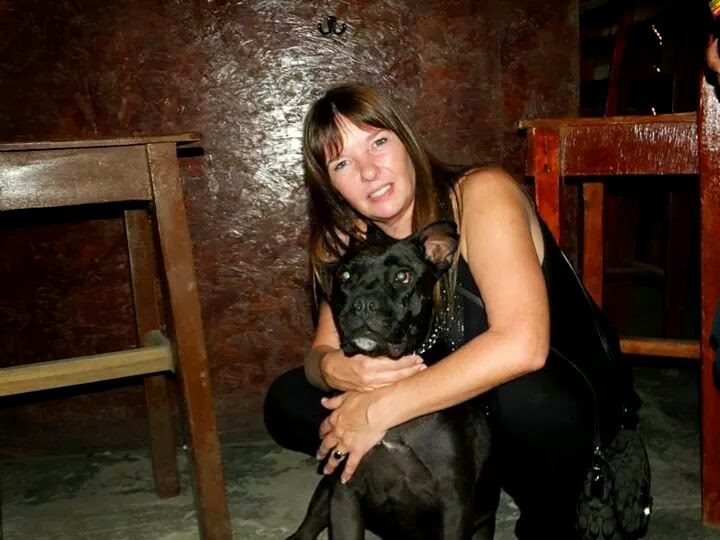
Dawn, DN Realty Partners
Dawn helps buyers and sellers across Playas del Coco. Nolberto, her partner at DN Realty Partners, is a professional tour guide.